
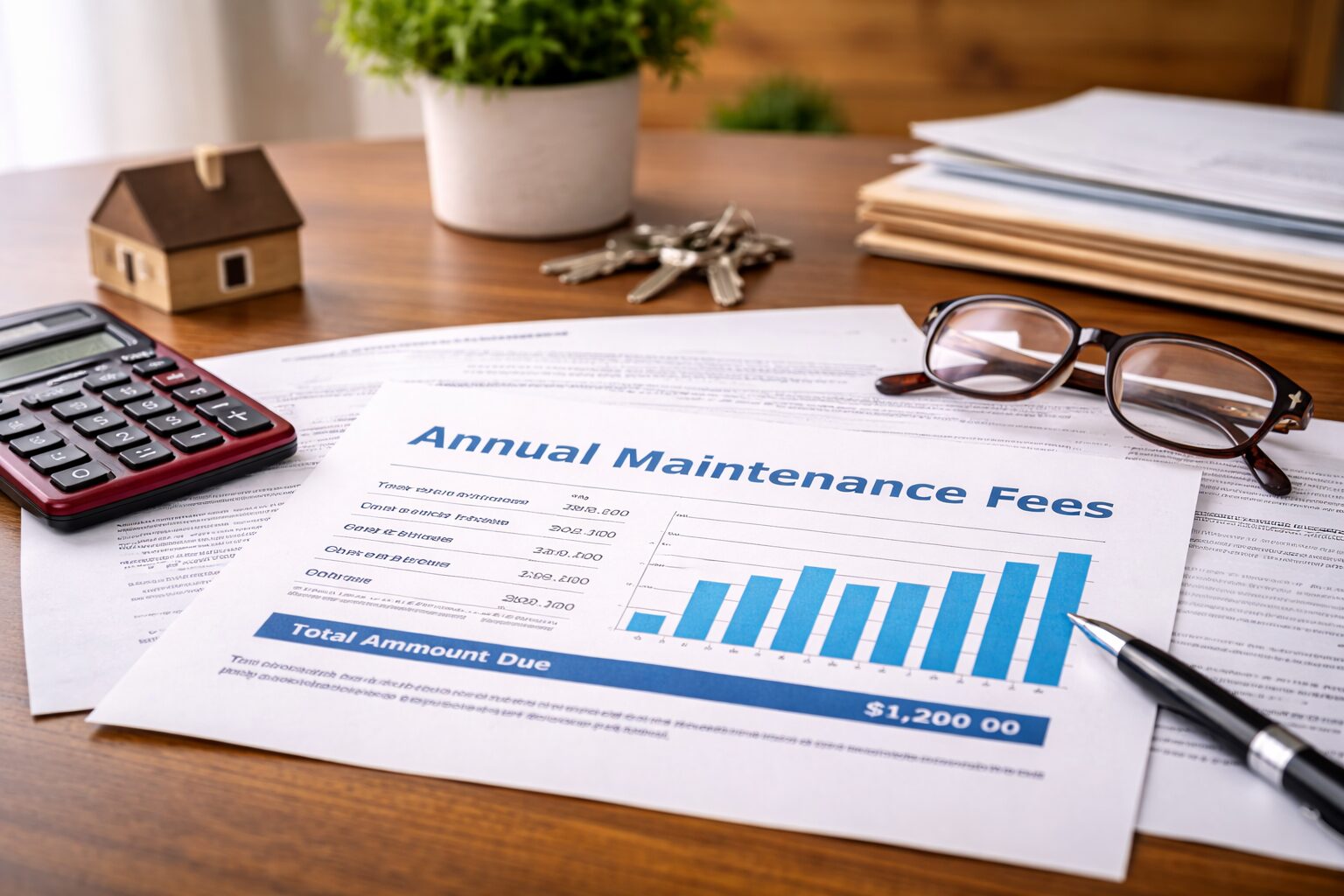
12 Feb Timeshare Fees Rising: Why Costs Often Increase
Timeshare maintenance fees often increase over time because ownership contracts typically require ongoing shared operating costs. Consequently, many owners notice rising expenses even when amenities appear unchanged.
How Fee Structures Actually Work
Unlike typical hospitality services, timeshare fees are not tied directly to customer satisfaction or usage levels. Instead, they reflect projected operating budgets.
Therefore, increases can occur regardless of perceived value.
Typical Cost Drivers
- Insurance and property operating costs
- Deferred building maintenance
- Labor, compliance, and administration expenses
These factors commonly influence timeshare maintenance fees across many ownership models.
Why Amenities May Not Expand
Because revenue is contractually predictable, resorts may prioritize financial stability over service expansion. As a result, amenities sometimes remain static even when costs rise.
This disconnect can understandably cause owner frustration.
For related ownership cost considerations, review hidden timeshare expenses.
Budget Transparency Challenges
Owners often receive summarized budget statements rather than detailed breakdowns. Consequently, identifying specific causes of increases can be difficult.
- Limited year-over-year comparisons
- Broad expense categories
- Centralized management decisions
These factors may affect how clearly timeshare maintenance fees are understood.
Cross-Subsidization Effects
Some ownership structures allocate resources toward new developments or marketing efforts. While this supports long-term viability, it can also create the perception that existing amenities receive less investment.
Understanding these financial mechanics helps clarify why timeshare maintenance fees sometimes rise independently of visible upgrades.
Long-Term Ownership Considerations
As fees increase, owners often reassess whether their timeshare still aligns with travel habits and financial priorities. Clear information supports informed decisions rather than assumptions.
Authoritative Consumer Resources
For general consumer education on contracts and financial obligations, consult:
These organizations provide neutral information on consumer rights and financial considerations.
Understanding Your Options
Learning how fee structures operate can help owners evaluate long-term plans. If you want educational information about ownership obligations and available paths, you may contact us for general guidance.
